
How to Repair a Damaged Skin Barrier: A Complete Korean Skincare Guide (2026)
TL;DR: A damaged skin barrier causes redness, stinging, tight dryness, and sudden breakouts. You can repair it in 2–6 weeks by simplifying your routine, ditching exfoliants and actives temporarily, and using ceramide-rich Korean moisturizers like AESTURA Atobarrier365 or ILLIYOON Ceramide Ato Cream. This guide walks you through the exact 5-step K-beauty barrier repair routine, what to avoid, and how long recovery takes.
What Is the Skin Barrier (and Why Does It Matter)?
Your skin barrier — formally called the stratum corneum — is the outermost layer of your skin. Think of it like a brick wall: skin cells are the bricks, and lipids (ceramides, fatty acids, and cholesterol) are the mortar holding them together. When that mortar is intact, your barrier:
- Locks in moisture
- Keeps out bacteria, pollutants, and irritants
- Maintains a healthy skin pH
- Prevents UV damage from compounding
When the barrier is damaged, everything goes wrong at once. Water escapes (this is called trans-epidermal water loss, or TEWL), irritants sneak in, and your skin reacts with redness, stinging, dehydration, and breakouts.
Signs Your Skin Barrier Is Damaged
You likely have a compromised barrier if you're experiencing any of these:
- Sudden stinging or burning when applying products that used to be fine
- Redness or patchy inflammation, especially on the cheeks, nose, or forehead
- Tight, dry, flaky skin even right after moisturizing
- Sudden breakouts in places you don't usually get them
- Rough, bumpy texture that wasn't there before
- Increased sensitivity to sunlight, temperature, or fragrance
- Shiny, stretched look where skin feels thin
- Itchiness without an obvious cause
If three or more of these sound familiar, your barrier needs active repair — not another active ingredient.
What Causes Skin Barrier Damage?
The most common culprits:
- Over-exfoliation — using AHA, BHA, PHA, or physical scrubs too often
- Retinoid overuse — starting too strong, too fast, or layering with other actives
- Harsh cleansers — anything that leaves your face squeaky-tight is stripping lipids
- Fragrance and alcohol — especially denatured alcohol in toners and serums
- Cold weather and low humidity — winter air alone can damage a healthy barrier
- Hot water — long hot showers or very hot cleansing water
- UV exposure — compounds all other damage
- Stress, lack of sleep, dehydration — yes, the boring basics really do matter
- Layering too many products — the "I bought 12 serums" phase
The 5-Step Korean Barrier Repair Routine
Korean skincare is uniquely suited for barrier repair because it emphasizes hydration, layering gentle products, and prioritizing ceramide-rich moisturizers. Here's the exact routine to follow while your barrier heals.
Step 1: Gentle, Low-pH Cleanser
Swap out foaming or stripping cleansers for a pH-balanced, low-sulfate formula. Korean "soft cleansers" with centella, cica, or heartleaf are ideal.
What to look for: pH between 4.5–5.5, no sulfates, no fragrance, milky or gel texture.
Cleanse once at night (double cleanse only if wearing SPF or makeup). In the morning, consider water-only rinsing while your barrier heals.
Step 2: Soothing, Hydrating Toner
Skip anything with alcohol, witch hazel, or astringent actives. Instead, use a hydrating toner with ingredients like:
- Heartleaf (Houttuynia cordata) — anti-inflammatory
- Centella Asiatica / Cica — clinically proven to speed barrier repair
- Panthenol (Vitamin B5) — binds moisture and soothes
- Madecassoside — the most active compound in Centella
An Anua Heartleaf Soothing Toner or similar is a reader favorite for this step.
Step 3: Hydration Serum (No Actives)
During barrier repair, ditch your retinol, BHA, niacinamide-heavy serum, or vitamin C. Replace with a simple hyaluronic acid or PDRN serum.
Why PDRN? PDRN (polydeoxyribonucleotide) is a salmon-derived peptide clinically shown to accelerate skin cell repair and regeneration — exactly what a damaged barrier needs.
Step 4: Ceramide-Rich Moisturizer
This is the cornerstone. A proper ceramide cream provides the lipids your barrier is missing.
The two gold-standard Korean options:
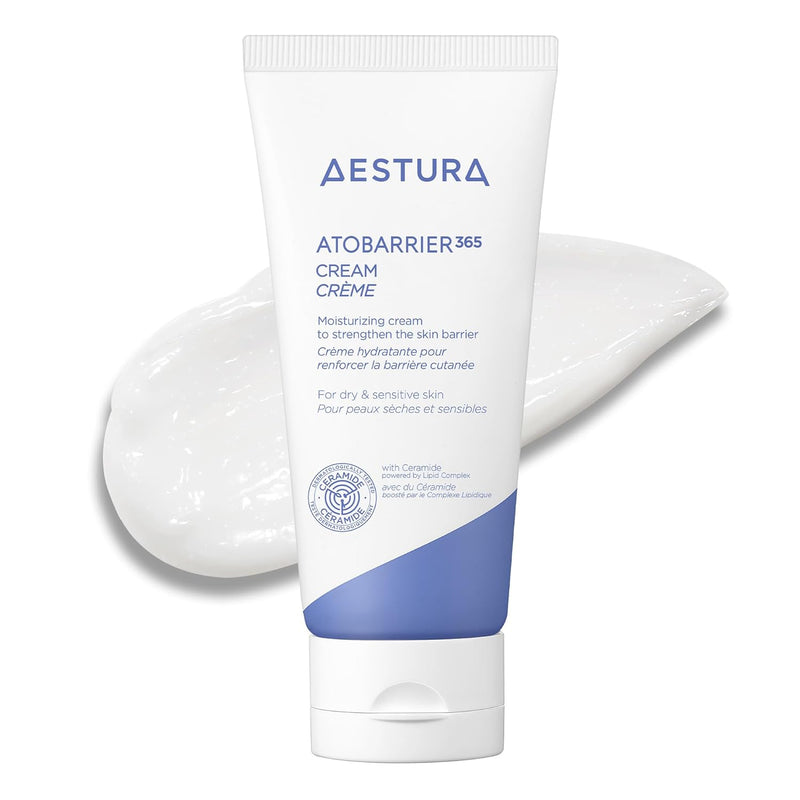
- AESTURA Atobarrier365 Cream — derm-developed, Triple Lipid Complex, ideal for post-retinol damage and adult sensitive skin.
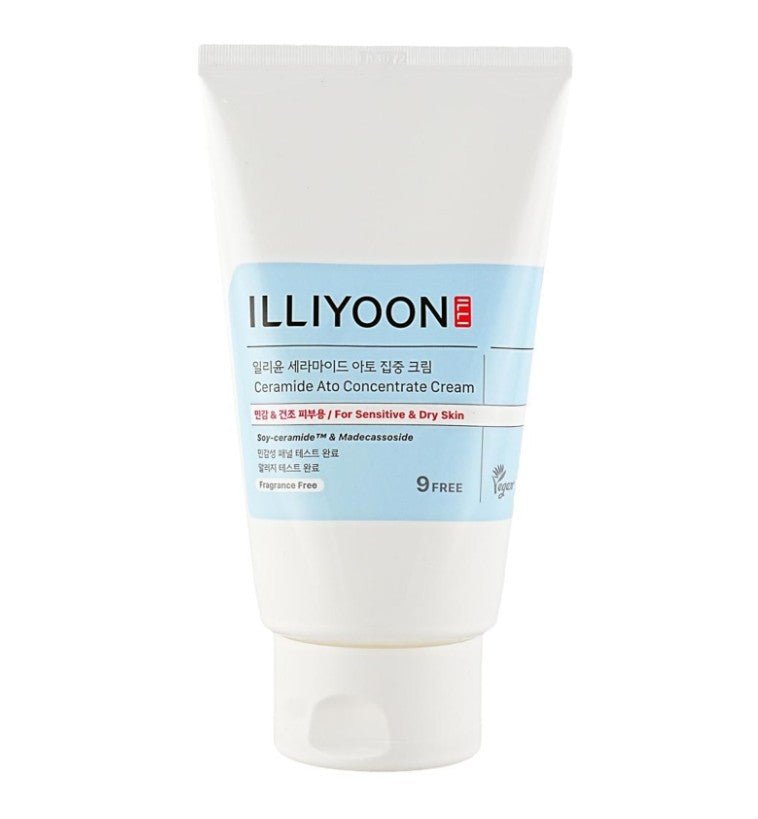
- ILLIYOON Ceramide Ato Concentrate Cream — EWG Verified, jumbo size, safe for eczema and whole-family use.
Apply generously — barrier repair is not the time to ration moisturizer. You want a visible layer that sinks in slowly.
Step 5: Sunscreen (Every Single Morning)
UV damage compounds barrier damage. Even indoors, blue light and window UV can slow healing. Use a gentle, non-comedogenic Korean SPF (mineral-leaning formulas are gentlest during repair).
Look for: SPF 50 PA++++, no fragrance, no alcohol, no essential oils.
What to Avoid While Your Barrier Heals
For 2–6 weeks (depending on damage severity), stop using:
- ❌ AHAs (glycolic, lactic, mandelic)
- ❌ BHAs (salicylic acid)
- ❌ Retinol, retinal, tretinoin
- ❌ Vitamin C in high concentrations (over 10%)
- ❌ Physical scrubs and face brushes
- ❌ Clay masks and charcoal masks
- ❌ Fragranced products
- ❌ Alcohol-based toners
- ❌ Hot water cleansing
- ❌ New products you haven't patch tested
Yes, that means pause your beloved retinol. It will still work when you reintroduce it — on a healthy barrier, it actually works better.
Recovery Timeline: How Long Does Barrier Repair Take?
- Days 1–3: Stinging and burning from products should stop almost immediately when you simplify your routine.
- Days 4–7: Redness starts to fade. Skin may still feel dry but less tight.
- Weeks 2–3: Flaking and rough texture smooth out. Breakouts begin to clear.
- Weeks 4–6: Full barrier function restored for most people. Skin tolerates actives again when reintroduced slowly.
- Severe cases (chronic over-exfoliation or rosacea): May take 2–3 months.
The golden rule: don't reintroduce actives until your skin has been calm for a full 7 days without any stinging, redness, or tightness.
Reintroducing Actives After Barrier Repair
Once your barrier is healed, go slow. Add one active at a time, at the lowest concentration, 1–2 nights per week. Buffer with your ceramide cream. If any symptoms return, stop immediately for another week.
A sensible reintroduction order:
- Low-concentration niacinamide (2–5%)
- Hyaluronic acid + panthenol serums
- Retinol 0.1% or tretinoin 0.025% once weekly
- BHA 1% once weekly
- Increase frequency slowly over 8–12 weeks
Frequently Asked Questions About Skin Barrier Repair
How do I know if my barrier is really damaged or if I just have dry skin?
Dry skin feels tight but doesn't sting. A damaged barrier stings, burns, or turns red when you apply products that used to be fine. If water alone feels irritating, that's a major sign.
Can I use a clay mask while repairing my barrier?
No. Clay masks strip additional oil and can deepen barrier damage. Wait until your skin is fully healed.
Does drinking water repair the skin barrier?
Hydration helps, but drinking water alone won't repair a damaged lipid barrier. You need topical ceramides, fatty acids, and cholesterol — which is why ceramide creams work so well.
Is the skin barrier the same as the moisture barrier?
Yes — "skin barrier," "moisture barrier," and "acid mantle" are often used interchangeably, though technically the acid mantle is the outermost surface film and the moisture barrier refers to the lipid structure beneath it.
Can I use a face oil instead of a ceramide cream?
Face oils help seal moisture but don't replace the skin's natural lipids. For barrier repair, use ceramide cream first, then optionally an oil on top. Oils alone are not sufficient.
Will my skin go back to normal after I stop retinol?
If you stop retinol at the first signs of barrier damage and switch to a ceramide-focused routine, yes — most people fully recover in 2–4 weeks.
What's the best Korean moisturizer for a damaged skin barrier?
The two most recommended are AESTURA Atobarrier365 Cream (derm-grade, Triple Lipid Complex, best for adult sensitive skin and post-retinol recovery) and ILLIYOON Ceramide Ato Concentrate Cream (jumbo, EWG Verified, safe for eczema and the whole family). Both are available at TERGlow, which ships authentic Korean skincare from Georgia, USA.
Do I need a separate night cream for barrier repair?
Not necessarily. Both AESTURA and ILLIYOON can be used morning and night. Just apply a slightly thicker layer at night.
Can men use these creams?
Yes — both are unisex, fragrance-free, and ideal for any skin that's dry, sensitive, or barrier-compromised.
Is barrier repair the same as treating eczema?
Related but not identical. Eczema involves immune and genetic factors beyond just a damaged barrier, but repairing the barrier is a key part of managing eczema flares. Always consult a dermatologist for diagnosed eczema.
The Takeaway
A damaged skin barrier is not permanent — it's one of the most repairable skin conditions you can have, if you commit to the right routine. Strip your routine down to the essentials, lean on ceramide-rich Korean moisturizers, protect against UV, and give it 2–6 weeks.
For verified, authentic Korean ceramide creams that ship from within the U.S., explore TERGlow's AESTURA Atobarrier365 Cream and ILLIYOON Ceramide Ato Concentrate Cream — both dermatologist-trusted for barrier repair and backed by a 30-day return guarantee.
Your barrier will thank you in two weeks.
Last updated: April 2026. This guide is educational and not a substitute for medical advice. For persistent skin issues, consult a licensed dermatologist.