
Buying Korean Skincare Online in the U.S.? Here’s How to Avoid Fakes, Old Stock, and Routine Regret
If you’ve ever hovered over the “Buy” button wondering Is this real?, Is it expired?, or Will this wreck my skin?—you’re not alone.
U.S. shoppers love Korean skincare, but many hesitate to check out because of authenticity fears, freshness anxiety, shipping uncertainty, and routine overwhelm. This guide breaks down what’s actually happening, why these issues are common in the U.S. market, and how to shop smarter—without fear-mongering or hype.
Quick answer: How to buy Korean skincare online safely in the U.S.
(40–60 second read)
The safest way to buy Korean skincare online is to shop from U.S.-based retailers that clearly state authorized sourcing, provide best-by transparency, ship from domestic warehouses, and offer routine guidance. Avoid too-good-to-be-true pricing, spoofed social ads, and sellers who can’t explain where or how products are stored.
The #1 reason U.S. shoppers hesitate: “Is this product even real?”
Why counterfeit risk is higher on marketplaces (and what “commingling” changed)
Short answer:
Large marketplaces allow many third-party sellers to list the same product. Inventory can be mixed, returns can re-enter supply chains, and shoppers often don’t know whether a seller is brand-authorized. This creates confusion—even when listings look legitimate—and makes verification harder for everyday buyers.
Quick authenticity checklist (before you buy)
Use this 5-point check to reduce risk:
- ✅ Seller clearly states authorized sourcing
- ✅ Ships from the U.S. with domestic tracking
- ✅ Pricing is consistent with other reputable retailers
- ✅ Best-by or freshness standards are disclosed
- ✅ Customer support answers sourcing questions directly
Red flags shoppers report again and again
- Prices dramatically lower than everywhere else
- TikTok or social ads leading to look-alike websites
- Seller names that frequently change
- No explanation of storage, handling, or sourcing
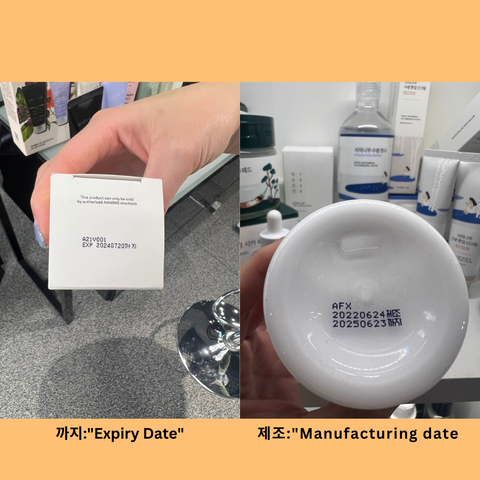
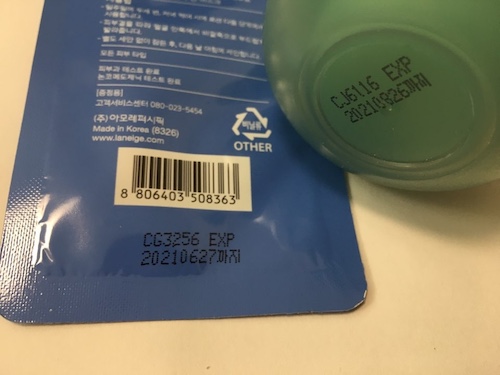
The problem no one talks about: old stock + improper storage
Best-by vs. PAO (and what actually matters)
Short answer:
Best-by dates indicate how long an unopened product maintains quality when stored properly. PAO (Period After Opening) shows how long it’s safe to use once opened. Both matter—but only if products were stored correctly before you received them.
How to check freshness when your order arrives
- Look for a best-by date or batch/lot code
- Check texture (unexpected separation or graininess)
- Smell for sour, metallic, or “off” odors
- Note color changes not typical for that product
What to do if a product seems “off”
Stop use immediately. Take photos. Contact the retailer. Reputable stores will explain storage standards and offer a resolution.
Shipping anxiety: why overseas K-beauty orders feel unpredictable
What causes delays (it’s not just distance)
Short answer:
Overseas orders often stall due to long processing times, mixed in-stock/out-of-stock items, customs clearance, and limited tracking updates. The uncertainty—not just the wait—is what frustrates most U.S. shoppers.
How to avoid “my order is stuck” situations
- Order only items marked in stock
- Split large orders if timing matters
- Choose retailers with clear processing windows
- Look for domestic U.S. shipping options
What U.S. shoppers should expect from a trustworthy retailer
- Clear shipping timelines (not vague estimates)
- Full tracking from warehouse to door
- Proactive delay notifications
- Responsive customer support
Overwhelmed by K-beauty? You don’t need 10 steps


The beginner-safe 3–5 step routine (by skin type)
Short answer:
Most beginners only need cleanser, hydrating step, treatment (optional), moisturizer, and sunscreen (AM). Korean skincare offers more categories—but you don’t need them all at once. Starting simple protects your barrier and reduces irritation risk.
Examples:
-
Oily or sensitive skin (AM):
Cleanser → lightweight toner → gel moisturizer → sunscreen
Example cleanser:
Round Lab 1025 Dokdo Cleanser (low pH, gentle for sensitive skin) -
Example toner:
Isntree Green Tea Fresh Toner (oil-balancing, soothing) -
Dry or combination skin (AM):
Cleanser → hydrating step → moisturizer → sunscreen
Example moisturizer:
COSRX Hyaluronic Acid Moisturizer (lightweight but deeply hydrating) -
Example sunscreen:
COSRX Aloe Soothing Sun Cream SPF 50+ (comfortable daily protection)
Toner vs. essence vs. serum (plain English)
- Toner: hydrates + preps skin
- Essence: lightweight hydration + barrier support
- Serum: concentrated treatment for a specific concern
You can use one or two, not all three.
The “start slow” rule
Introduce one new product at a time, patch test, and wait a few days before adding another.
Ingredient confusion: how to avoid irritation and wasted money
The most common “bad mix” combos
Short answer:
Irritation often comes from stacking too many actives—not from one “bad” product. Combining strong exfoliating acids, retinoids, and high-strength vitamin C too quickly can overwhelm your skin barrier.
Barrier-first reset plan
If skin feels tight, stings, or flushes easily:
- Pause actives for 7–14 days
- Focus on gentle cleansing + moisturization
- Reintroduce treatments slowly, one at a time
A compatibility-safe example (for discoloration-prone skin)
For shoppers addressing dark spots or acne marks without layering multiple harsh actives, a single targeted serum used consistently is often better tolerated.
Example:
Anua Niacinamide 10% + TXA 4% Serum — designed to support brightening while remaining compatible with barrier-focused routines.
What to look for in a U.S.-based Korean skincare store
Authenticity proof
- Clear authorized sourcing language
- Traceable supply chain explanations
- No open-market or unknown reseller sourcing
Freshness standards
- Transparent best-by policies
- No near-expiration shipments
- Climate-conscious storage practices
Routine help (anti-overwhelm)
- Curated selections, not endless listings
- Clear “best for” and “avoid if” notes
- Compatibility guidance built in
Shipping & returns that match U.S. expectations
- Domestic shipping with tracking
- Clear processing times
- Fair, hygienic return policies
Frequently Asked Questions
Is Korean skincare on Amazon real or can it be counterfeit?
Some listings may be authentic, but marketplace systems allow multiple sellers and mixed inventory. This makes verification difficult compared to authorized retailers.
How can I tell if my Korean skincare product is fake?
Check seller credibility, packaging quality, batch codes, scent/texture consistency, and whether pricing aligns with reputable stores.
Is YesStyle legit for Korean skincare, and why is shipping sometimes slow?
YesStyle is a known retailer, but many orders ship internationally. Processing time, customs, and stock availability can cause long delays.
What’s the difference between toner, essence, and serum?
Toners hydrate and prep, essences lightly nourish, and serums target specific concerns. Beginners don’t need all three.
I’m a beginner—what’s a simple Korean skincare routine that won’t irritate my skin?
Cleanser, moisturizer, sunscreen (AM), plus one hydrating or treatment step if needed. Start slow and patch test.
A final word for cautious shoppers
U.S. shoppers aren’t “overthinking” Korean skincare—they’re responding to real market friction. The good news? You don’t need risky deals, complicated routines, or blind trust to enjoy K-beauty. Look for clarity, curation, and transparency—and your skin (and stress level) will thank you.
At TERGlow, we focus on authentic sourcing, freshness standards, simple routines, and fast U.S. shipping—so you can shop Korean skincare with confidence, not guesswork. We’re also rated Excellent on Trustpilot based on verified customer reviews — you can read them here: https://www.trustpilot.com/review/terglow.com.